
Erathia Reborn: Why the Heroes of Might and Magic III Remake Demands Our Tactical Attention
The Heavy Burden of Erathian Nostalgia
Few titles command the almost religious reverence enjoyed by the third installment of New World Computing’s legendary fantasy strategy franchise. For decades, the turn-based tactics community has treated the original sprite-based masterpiece as an unmovable monument, treating subsequent franchise iterations with varying degrees of suspicion. When a publisher of Ubisoft's scale announces a complete ground-up reconstruction slated for 2027, the initial reaction among seasoned tacticians is naturally one of defensive skepticism. We have seen too many modern facelifts strip away the gritty, calculated crunch of classic hex-based movement in favor of superficial visual polish.
Yet, looking past the immediate knee-jerk protectionism, this upcoming release forces us to confront a vital question. Can a modern 3D and 4K conversion capture the precise statistical rhythm and spatial calculus that makes Erathia endlessly playable twenty-eight years after its debut? The development team insists on preserving the base mechanics of the original game and its two vital expansions while translating every castle, creature, and artifact into high-fidelity three-dimensional space. For the veterans who still debate creature growth formulas and spell value ratios on community forums, the devil will inevitably reside in the mathematical and visual execution.
Translating the Hex Grid into Modern 3D
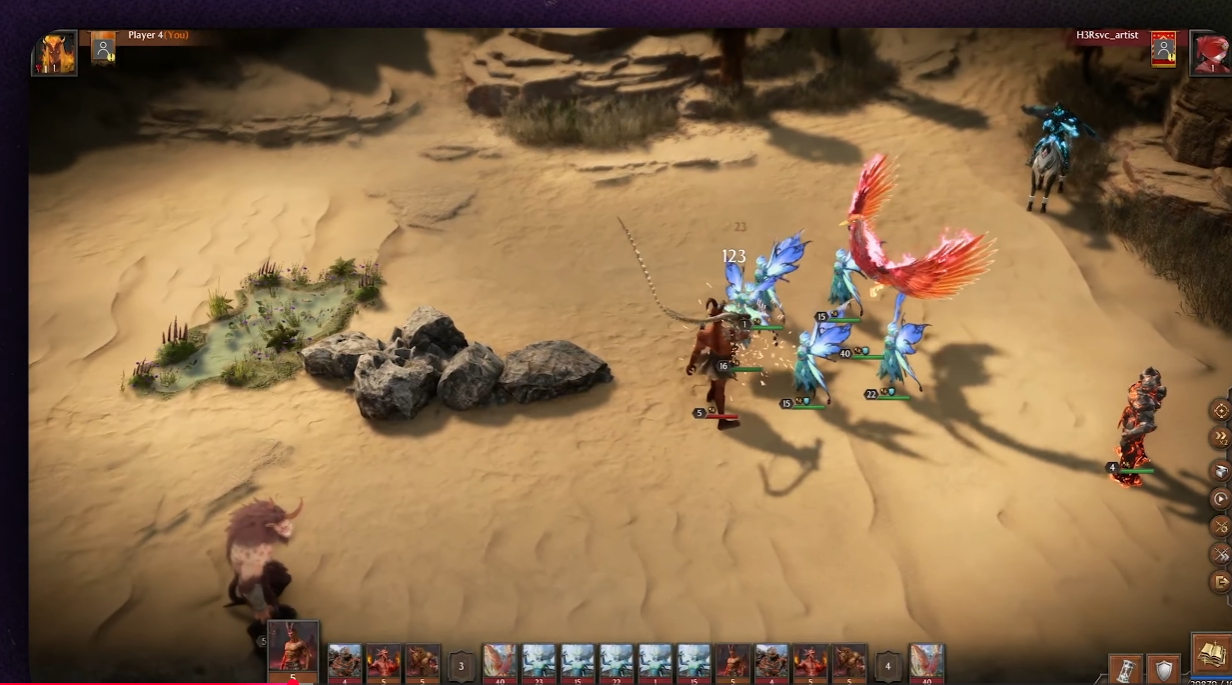
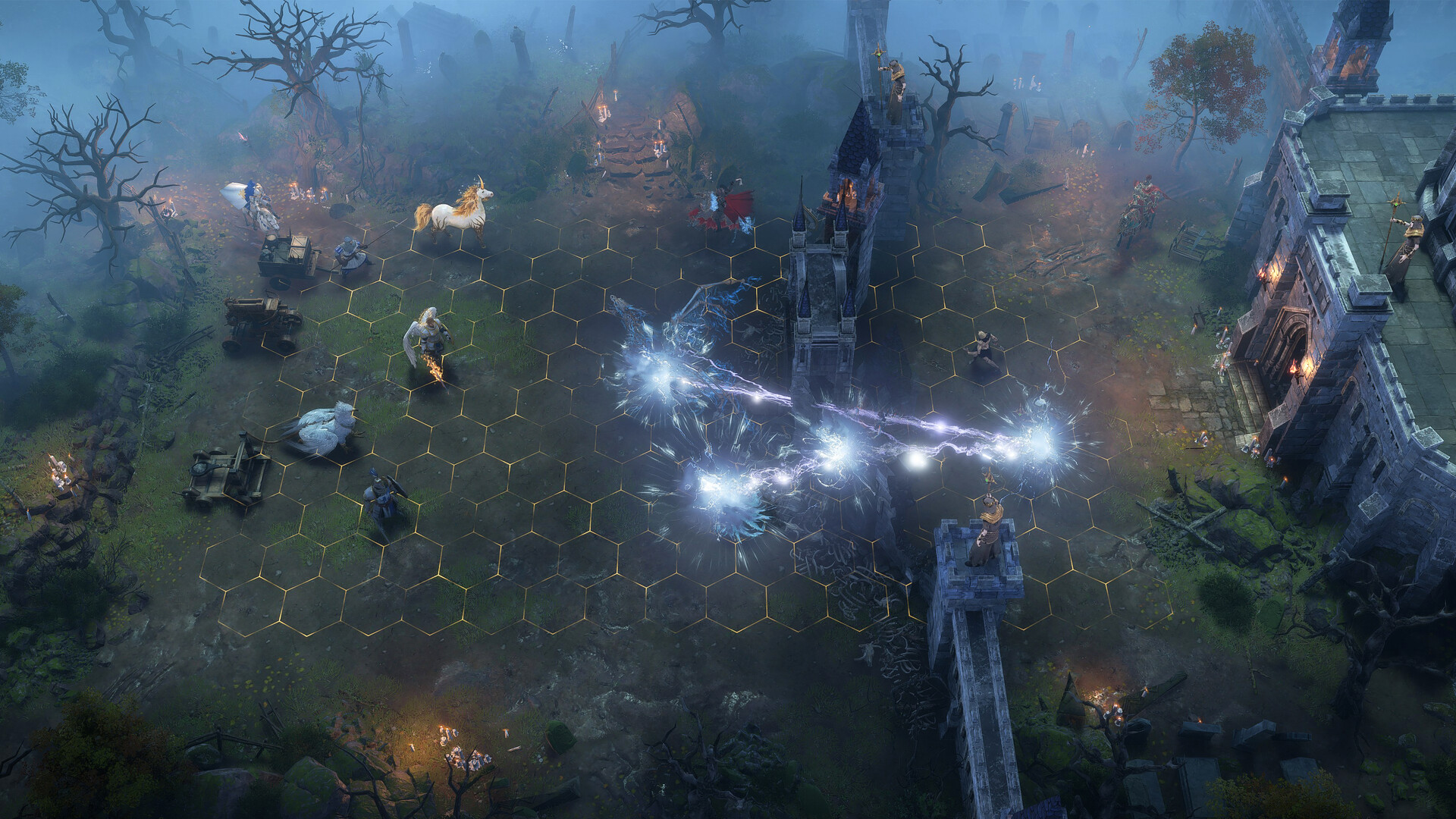
The core challenge facing the studio isn't merely rendering dragons and archangels in crisp high-resolution pixels; it is maintaining the instantaneous legibility of the battlefield. Tactical depth relies entirely on immediate spatial awareness, where positioning a stack of Centaur Captains or calculating the exact movement range of a Ghost can dictate a forty-minute skirmish. Shifting from flat sprites to full 3D models risks introducing visual clutter, obscuring terrain elevation markers, and muddying the clean lines that hardcore generals depend upon for split-second calculations.
Fortunately, early developer communications suggest a cautious approach toward the core gameplay loop. Resource management, town expansion sequences, and the fundamental movement points system remain anchored to their historical blueprints. Players will still traverse the overland map gathering lumber, ore, and rare crystals, while building up specialized fortresses ranging from the holy Castle faction to the necrotic Necropolis. The primary tactical paradigm remains untouched: cultivate a dominant hero, stack auxiliary army carriers, and exploit creature speed mechanics to dictate the flow of combat.
Empowering the Architect: Modding and Community Longevity
The true genius of the original release was never just its out-of-the-box campaign scenarios, but the longevity provided by its robust editing suite. The upcoming remake aims to honor this legacy by promising day-one support for community maps alongside comprehensive creation tools. This design philosophy recognizes an essential truth about turn-based strategy ecosystems: developers build the foundation, but dedicated community cartographers construct the mansion where players actually live for decades.
Day-One Customization: Immediate access to community-crafted scenarios ensures the meta will evolve organically rather than stagnating behind official content.
Granular Balancing Tools: Expanded editing suites will allow creators to tweak faction parameters, artifact drop rates, and spell availability.
Endless Replayability: By bridging historical map-making culture with modernized backend support, the title secures a pipeline for infinite strategic scenarios.
The measure of a true strategy remake isn't how pristine the new 4K dragon looks on screen, but whether it respects the ruthless mathematical cruelty of the original turn queue.
A Critical Junction for Turn-Based Purists
As the 2027 release window approaches, the strategy community stands at a fascinating crossroads. We are witnessing a rare attempt to modernize a sacred cow without fundamentally altering its digestive tract. If the developers manage to replicate the crisp input responsiveness and brutal tactical pacing of the 1999 classic while offering modern UI conveniences and expansive map creation tools, Erathia might just conquer a brand-new generation of armchair generals. Until then, our spell books remain open, and our pitchforks—metaphorically speaking—stay firmly within arm's reach.
Enjoyed this tactical read?
Share it with fellow players, friends, and your gaming community!
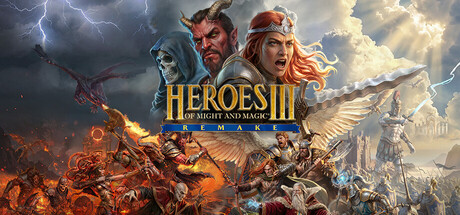
Heroes of Might and Magic III Remake
💬 Review Discussion & Comments 0
Share your thoughts on this review. Like the best comments to award tactician reputation points!
✍️ Join the Discussion
No comments yet on this review.
Be the first tactician to share your thoughts!
Related Reading
Staring Into the Abyss: Why Artifex Mundi’s Void Hunters is the Turn-Based Gamble We Need
Aethercrypt Puts Cards on the Table in a Dangerous Procedural Dungeon